Feeders and window strikes: where to put them.

Birds don't see glass the way we do. They see reflected sky and trees, or a clear path through to the other side. Where you put a feeder changes the risk a lot.
Why birds hit windows
Reflections make a window look like more garden. Clear corners and glass balustrades look like open air. A bird startled from a feeder a few metres away can fly straight at a window at full speed.
The placement rule: very close, or far away
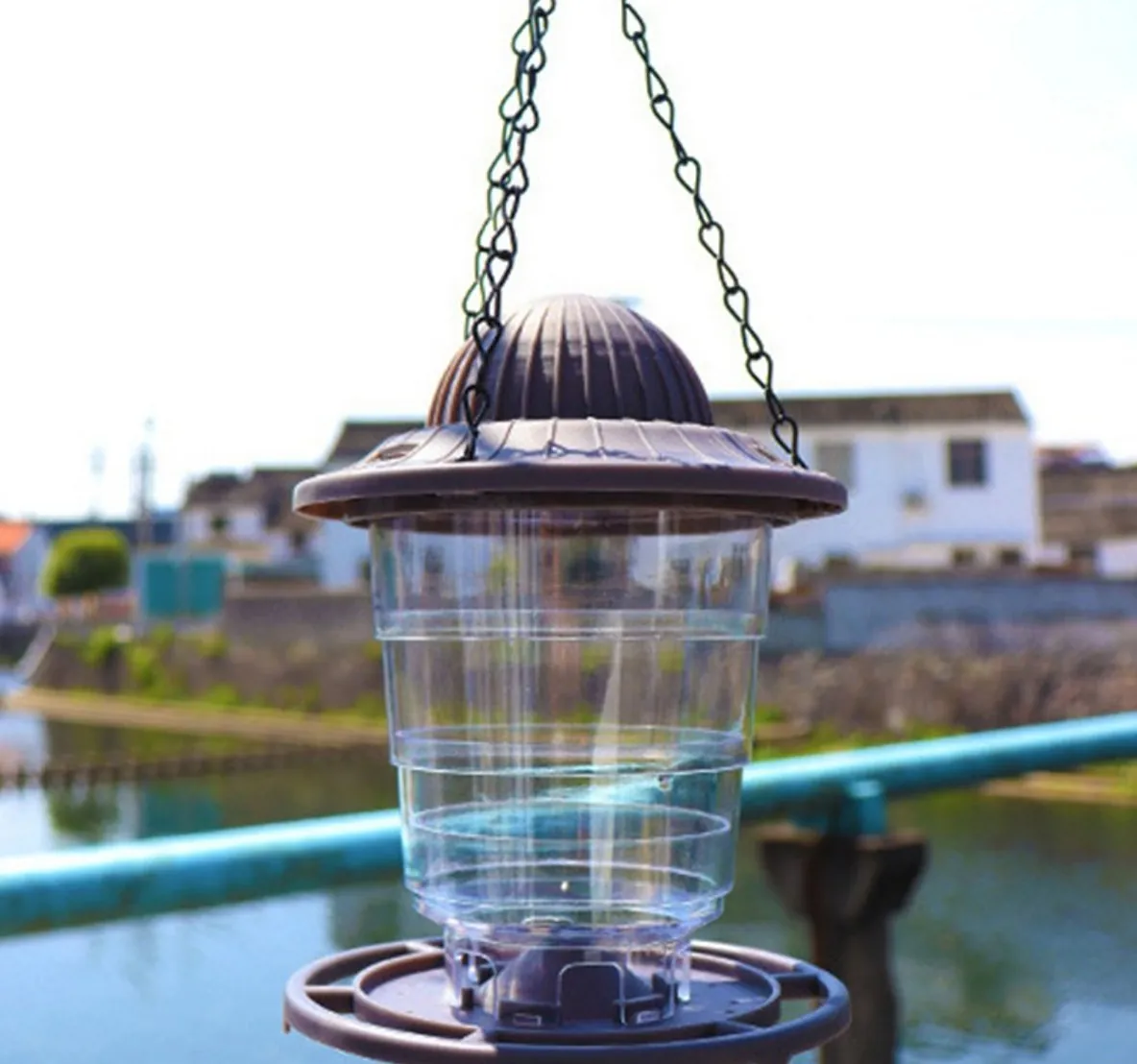
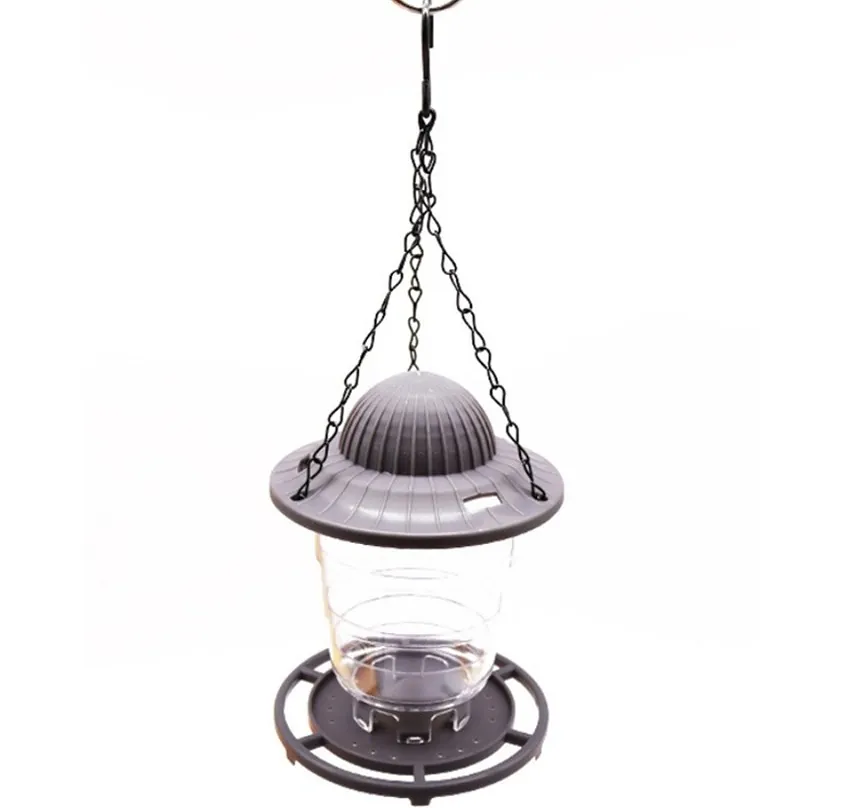
Bird-safety organisations recommend placing feeders either within about 1 m (3 ft) of a window or more than about 9 m (30 ft) away.
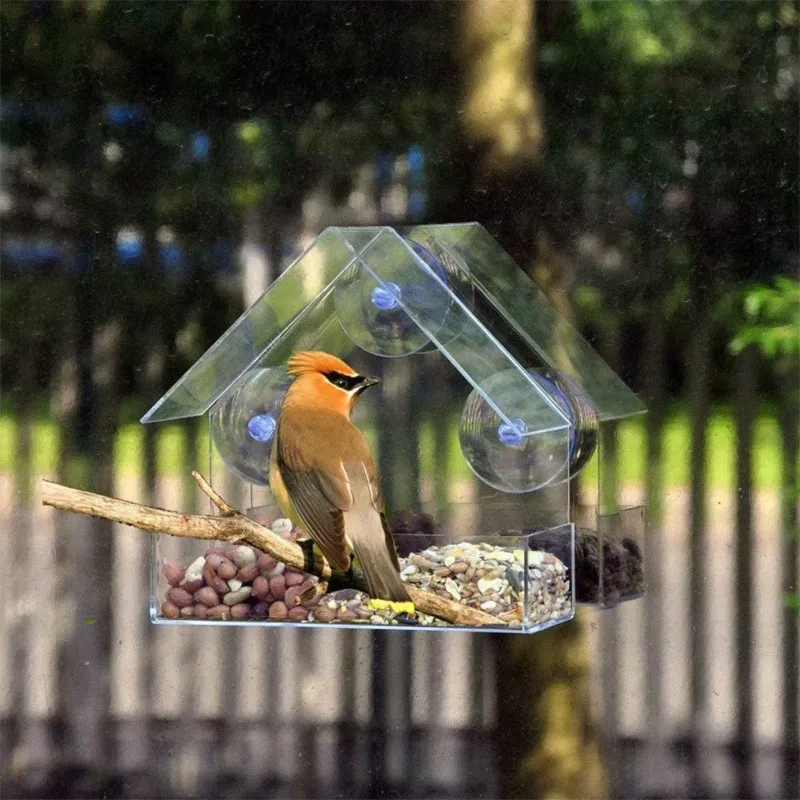
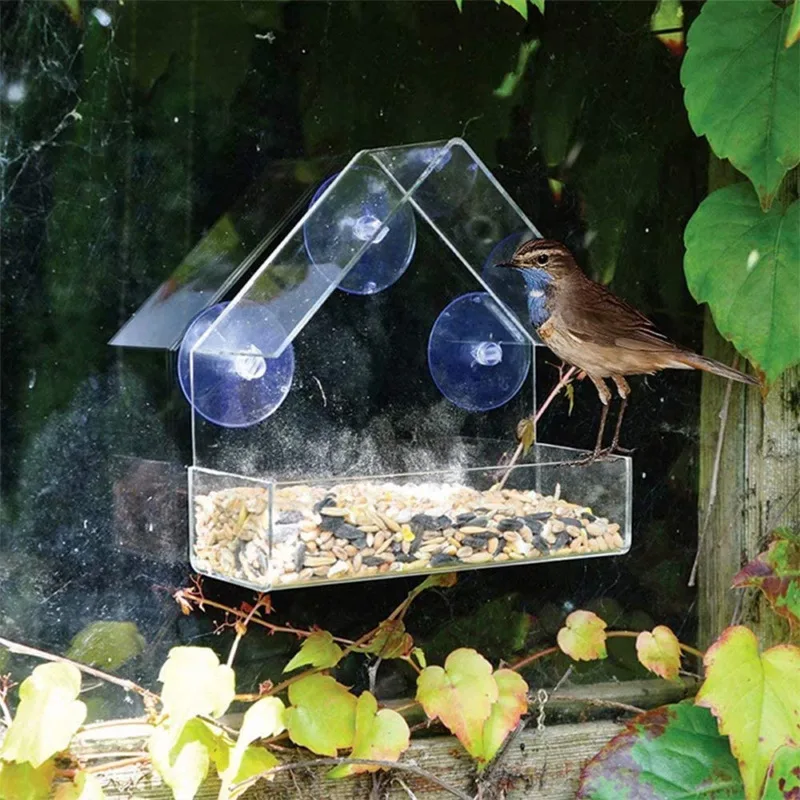
- Very close: a bird leaving the feeder hasn't room to build up speed, so a bump against the glass is minor. A feeder fixed directly to the glass is the closest you can get.
- Far away: the feeder is far enough that birds are unlikely to fly toward the house when startled.
- Avoid the middle: 2 to 8 m out is the riskiest zone.
Make the glass visible
For windows that cause trouble, break up the reflection on the outside of the glass with markings no more than about 5 cm apart horizontally and 10 cm apart vertically. Dots, tape, paint pens or external screens all work. A single sticker in the middle doesn't do much on its own.
If a bird hits your window
If it's stunned, gently place it in a ventilated box somewhere dark, quiet and warm, and check after 30 to 60 minutes. If it can fly, release it outside near cover. If it's injured, contact a local wildlife rescue.
Written by the Perchwild team. Questions? Write to us.