The best window bird feeder for Australia and the US.

A window feeder is the closest view of a wild bird most people will ever get. It's what we're built around. Here's what separates a good one from one that fogs up, drips or ends up on the patio.
What to look for
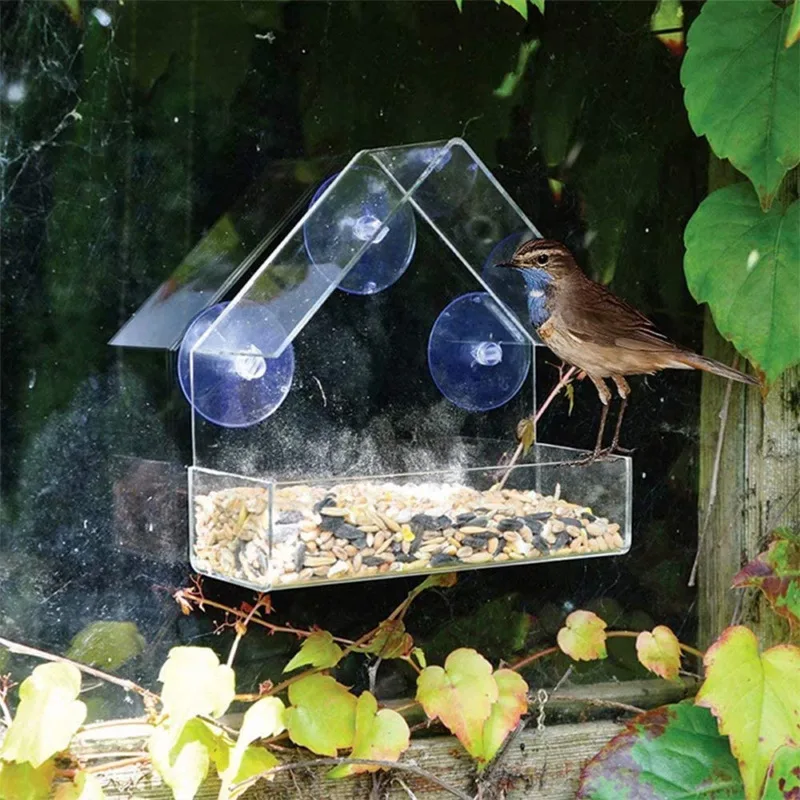
- Clear acrylic. You want to see through the feeder, not around it. Clear acrylic stays see-through as long as you clean it.
- A tray that lifts out. Feeders need regular cleaning to keep birds healthy, and a removable tray makes that a two-minute job. See how to clean a feeder.
- Drainage. Small holes in the tray let rain out, so food doesn't sit wet and go mouldy.
- A roof. It keeps the worst of the rain off and gives birds a little cover.
- Good suction cups on good glass. The cups matter, but so does the window: smooth, flat, clean glass with no film. Read how to stop a window feeder falling off.
- The right size for your pane. Check the dimensions against your glass before you buy.
Our pick, and why
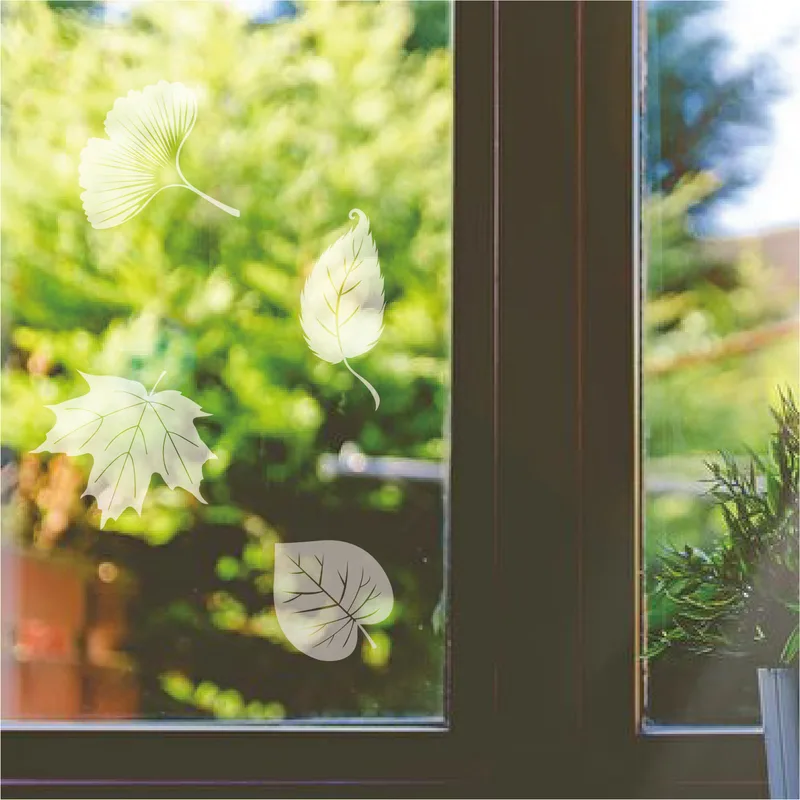
We only stock one window feeder right now, on purpose. The Classic Window Feeder is a clear acrylic house, 15 × 15.3 × 7.3 cm, that fixes to the outside of the glass with suction cups. It comes with our Falls off? We replace it guarantee. It's simple, it's easy to clean, and it puts birds a hand-span from your glass. Add a cleaning brush and window decals for the other panes, or get the lot in the Backyard Kit.
In Australia
BirdLife Australia's advice is to feed thoughtfully, if at all. Offer small amounts of food suited to the birds near you, never bread or honey water, keep everything clean, and remember that water and native plants help more birds than food does. A window feeder used this way is a lovely way to meet your regulars. A bird bath nearby will bring in birds that never visit a feeder. See our Australian backyard birds guide.
In the US
Window feeding is widespread across the US, and chickadees, titmice, finches and cardinals are regular window visitors. Project FeederWatch keeps regional lists of the birds people most often see at feeders. Keep the feeder clean, and pair it with markers on your other windows, since feeders very close to glass are part of the American Bird Conservancy's advice for reducing collisions. See our US feeder birds guide.
What about squirrels and possums?
A feeder stuck high on a smooth pane, away from branches, ledges and gutters, is more squirrel-resistant than most hanging feeders, because there's nowhere easy to jump from. But no feeder is squirrel-proof, and determined climbers find a way. Placement is your best tool.
Ready to start? Read how to attract birds to a window feeder and which birds visit window feeders.
Frequently asked questions
What is the best window bird feeder?
Look for clear acrylic, a removable tray for cleaning, drainage holes, a roof and suction cups that suit your glass. Our pick is the Classic Window Feeder, a clear acrylic house with suction cups.
Do window bird feeders cause window strikes?
Feeders placed very close to the glass are part of the American Bird Conservancy's advice for reducing collisions, because birds can't build up speed. Add markers to your other windows too.
Is a window feeder squirrel-proof?
No feeder is squirrel-proof. A window feeder high on a smooth pane, away from branches and ledges, is more squirrel-resistant than most.
Should I feed birds in Australia?
BirdLife Australia advises feeding thoughtfully, if at all: small amounts of suitable food, never bread or honey, kept clean, with water and native plants as the priority.
Sources
- BirdLife Australia: A guide to feeding wild birds in Australia
- BirdLife Australia: Providing water for birds
- BirdLife Australia: How to bring birds to your backyard
- American Bird Conservancy: Solutions for homes
- USGS: How can I stop birds from repeatedly hitting my windows?
- Project FeederWatch: Top 25 feeder birds, Northeast region 2024–25
Written by the Perchwild team. Questions? Write to us.