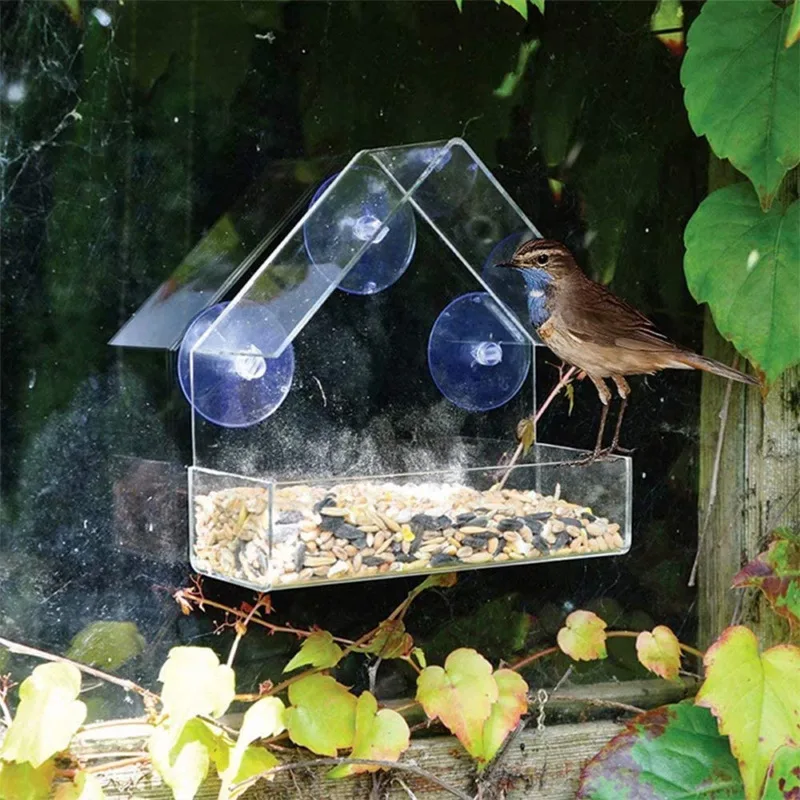
How to attract birds to a window feeder.

A window feeder brings birds within arm's length of the glass, but they need to find it and trust it first. Placement and patience do most of the work.
1. Placement does most of the work
- Near cover. A window with a tree, shrub or hedge within a few metres gives birds somewhere to dart back to.
- Quiet glass. A pane that isn't next to a busy door or a dog's favourite lookout.
- Out of reach of cats. No ledge, fence or roof a cat can pounce from.
- Smooth, clean glass so the suction cups hold. Our guide to stopping a feeder falling off covers fitting.
2. In Australia: feed lightly, if at all
Advice in Australia is more cautious than overseas. BirdLife Australia does not encourage feeding wild birds, and in Western Australia it's illegal to feed native fauna without a licence. Check your local and state rules. If you do feed, BirdLife's guidance is to treat it as a small treat, not a meal, offer food suited to the species, replace it daily, keep feeding areas scrupulously clean and stop if you see sick birds.
The single most helpful thing you can offer Australian birds is water. A shallow, shaded bird bath near cover, refreshed daily, attracts a wide range of species. See our bird bath fountain guide and BirdLife's own advice on planting native shrubs for food and shelter.
3. In the US: match food to the birds
Window feeders are widely used in North America. Black-oil sunflower seed or hulled sunflower hearts appeal to many feeder regulars, including chickadees, finches, titmice and cardinals. Buy a good-quality food from a local garden centre or feed store (we don't sell seed). In bear country, follow your state wildlife agency's advice on when to take feeders down.
4. How long it takes
It can take days to a few weeks for birds to find a new feeder. Start with a small amount so it doesn't spoil, keep it topped up and fresh, and avoid moving it around. Bold species usually come first and shyer ones follow.
5. Keep it clean
Feeders can spread disease if they aren't cleaned. Empty old food, scrub the tray regularly with hot soapy water or a dilute disinfectant, rinse well and dry before refilling. A long-handled bottle brush gets into the corners. Full routine: how to clean a bird feeder.
When they arrive, the Bird ID & Journal helps you put names to faces.
Frequently asked questions
How long does it take birds to find a window feeder?
Anywhere from a few days to a few weeks. Keep the food fresh, don't move the feeder around, and make sure there's cover nearby.
Is it OK to feed wild birds in Australia?
BirdLife Australia does not encourage it and it's illegal in WA without a licence. If you do, follow local rules, offer small amounts of species-appropriate food, replace it daily and keep everything clean. Water is often the better choice.
Why aren't birds coming to my window feeder?
Common reasons: no cover nearby, too much activity at the window, a cat in view outside, stale food, or simply not enough time yet.
Sources
- BirdLife Australia: A guide to feeding wild birds in Australia
- BirdLife Australia: Providing water for birds
- BirdLife Australia: How to bring birds to your backyard
Written by the Perchwild team. Questions? Write to us.