How to set up a cat wall.

A cat wall turns empty wall space into territory. The difference between one your cat uses daily and one that becomes an expensive shelf is mostly in the planning.
Why vertical space matters
The AAFP and ISFM environmental needs guidelines describe elevated areas as a key resource. They let a cat watch its surroundings, and in multi-cat homes they let cats avoid each other. A wall gives you that height without taking up floor space.
Plan a route, not a collection
- Start low, near something your cat already uses, like a sofa arm, cat tree or sill.
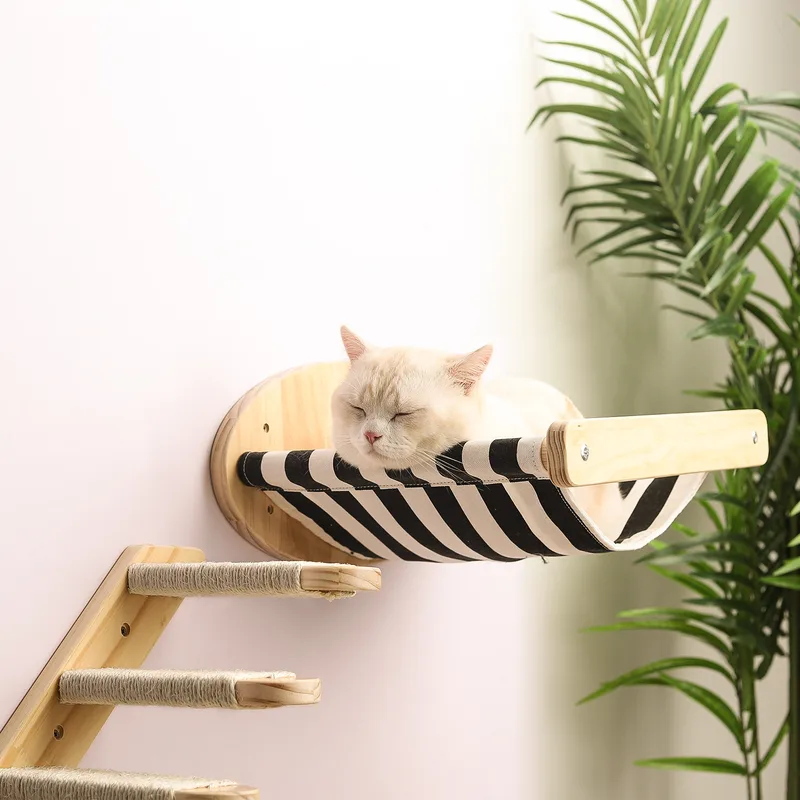
- End somewhere worth reaching: a hammock with a view of the window, or a high resting spot near where you sit.
- Give it two ways down if you can. The guidelines note cats like being able to leave a resting place from more than one side, especially in multi-cat homes.
- Lay it out on the floor or with painter's tape on the wall before drilling anything.
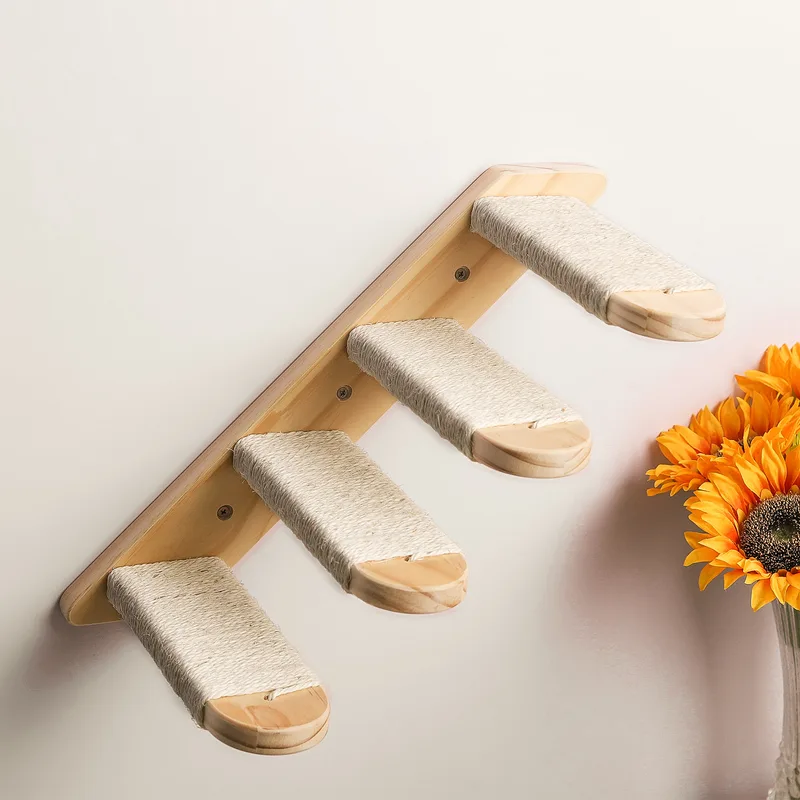
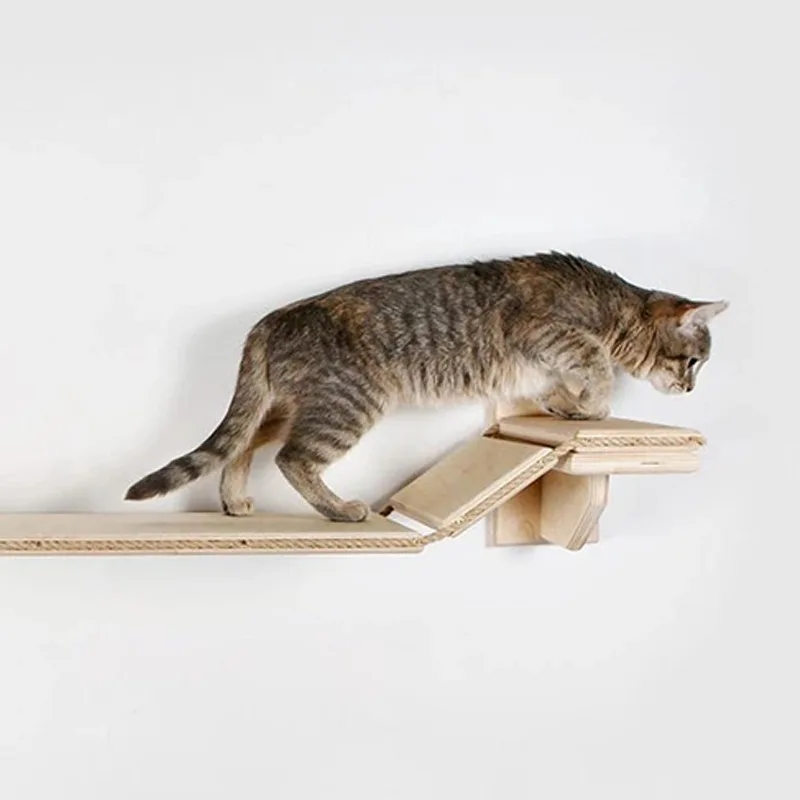
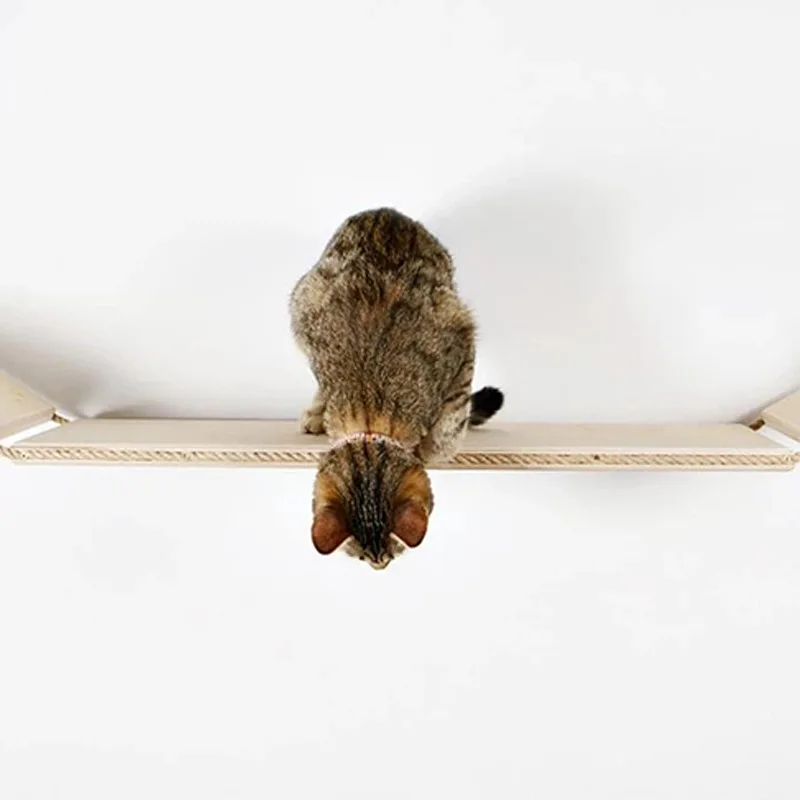
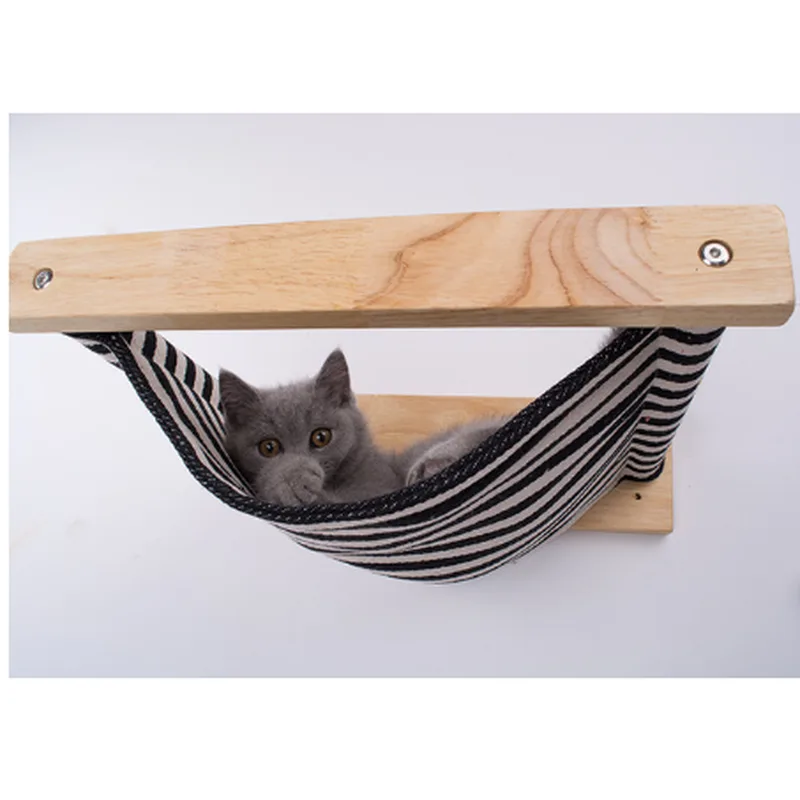
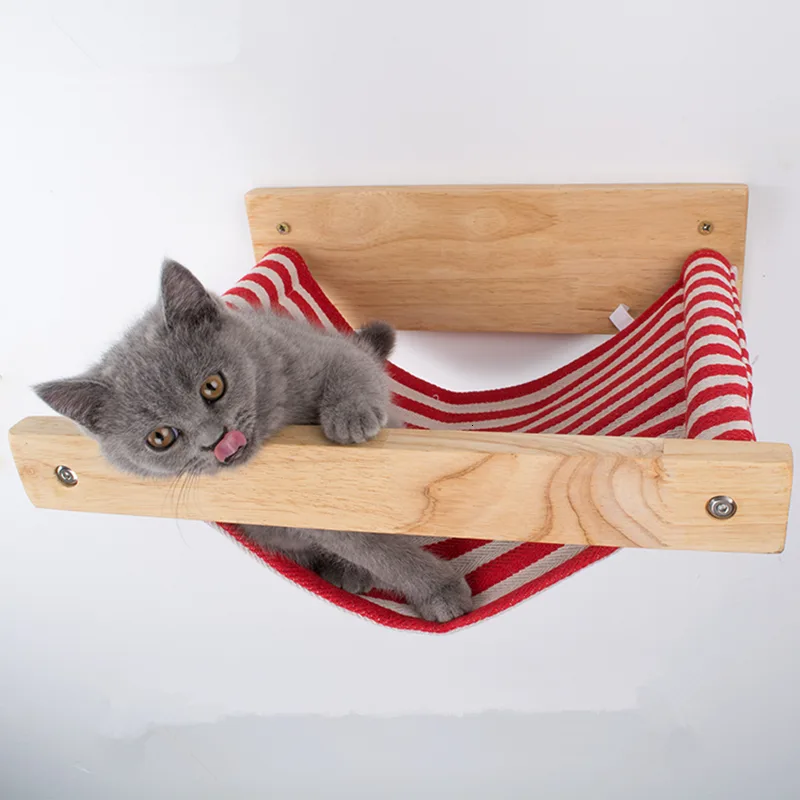
A simple three-piece route: Cat Wall Steps up, a Cat Wall Bridge across, and a Wall-Mounted Cat Hammock at the end. All three come together as the Cat Wall Set.
Spacing that works
There's no single right number, because cats vary in size, age and confidence. Practical guidelines:
- Keep jumps short and mostly upward. Most cats are happier stepping up than jumping down.
- Stagger pieces diagonally rather than stacking them straight up, so each landing is visible.
- For kittens, seniors or cats with stiff joints, close the gaps up and add steps.
- Keep the route clear of doors, curtains and anything that swings.
Fixing safely
- Find studs or solid masonry with a stud finder. Plasterboard alone is not a fixing for cat furniture.
- Use fixings suited to your wall (wood screws into timber studs, masonry plugs into brick or concrete). If you're unsure, ask at a hardware store or use a handyperson.
- Check for pipes and cables before drilling.
- Level each piece, or set the slope you want for a bridge.
- Load-test by hand, pressing down firmly on every piece, before your cat uses it. Re-check fixings now and then.
Renting or can't drill? A suction-cup window perch on smooth glass is the drill-free option. See do suction perches hold?
Introducing it
Put a few treats or a familiar blanket on the first step and the final hammock. Use a wand toy to lead your cat along the route. Let them explore at their own pace, and don't lift them onto high pieces.
Frequently asked questions
How far apart should cat wall shelves be?
There's no single number. Keep jumps short and mostly upward, stagger pieces diagonally, and close the gaps for kittens or older cats.
Can I mount cat shelves on plasterboard?
Not on plasterboard alone. Fix into timber studs or solid masonry with suitable fixings.
How do I get my cat to use the cat wall?
Start the route near furniture your cat already uses, put treats or a familiar blanket on the first and last pieces, and lead them with a wand toy.
Do I need a drill for a cat wall?
Yes. Wall pieces screw into the wall. If you can't drill, use a suction-cup window perch on smooth glass instead.
Sources
Written by the Perchwild team. Questions? Write to us.